
A Homeowner's Guide to Common Materials Recommended by Roofers
Choosing the right roofing material is one of the most important decisions a homeowner can make when building, replacing, or substantially repairing a roof. The material affects more than appearance. It can influence the roof’s lifespan, maintenance requirements, energy performance, installation cost, and ability to withstand local weather conditions.
Homeowners have numerous options, ranging from familiar asphalt shingles to metal, tile, solar roofing, and living green roofs. Each material has strengths and limitations, and the most appropriate choice depends on factors such as the home's design, climate, budget, roof slope, and long-term plans for the property.
Experienced roofers can help homeowners evaluate these considerations before committing to a particular roofing system. Because professionals work with different materials regularly, they can also explain practical differences that may not be obvious from product literature alone. Understanding the most common options can make those conversations more productive and help homeowners select a material that suits their property.
What Are the Most Common Materials Recommended by Roofers?
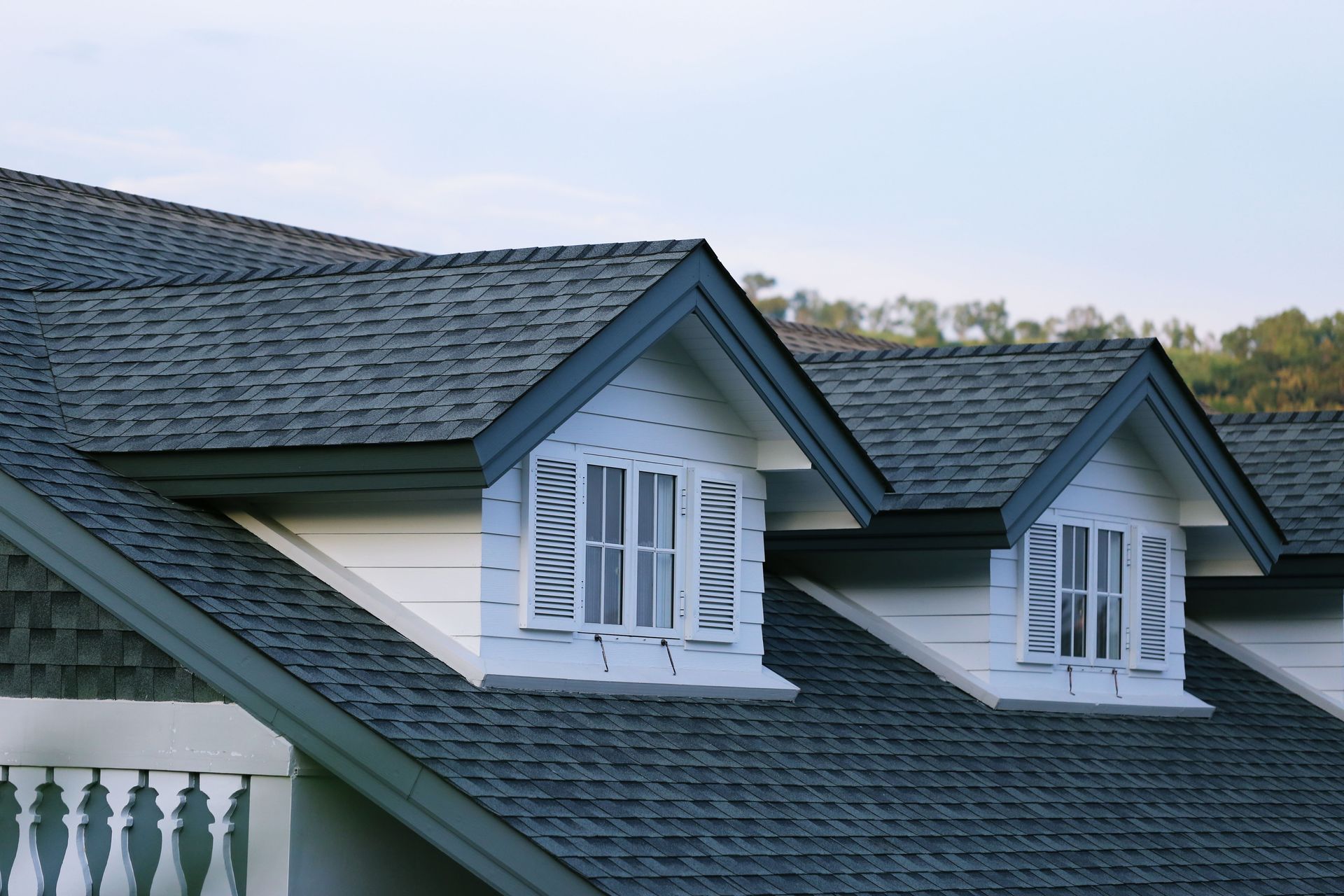
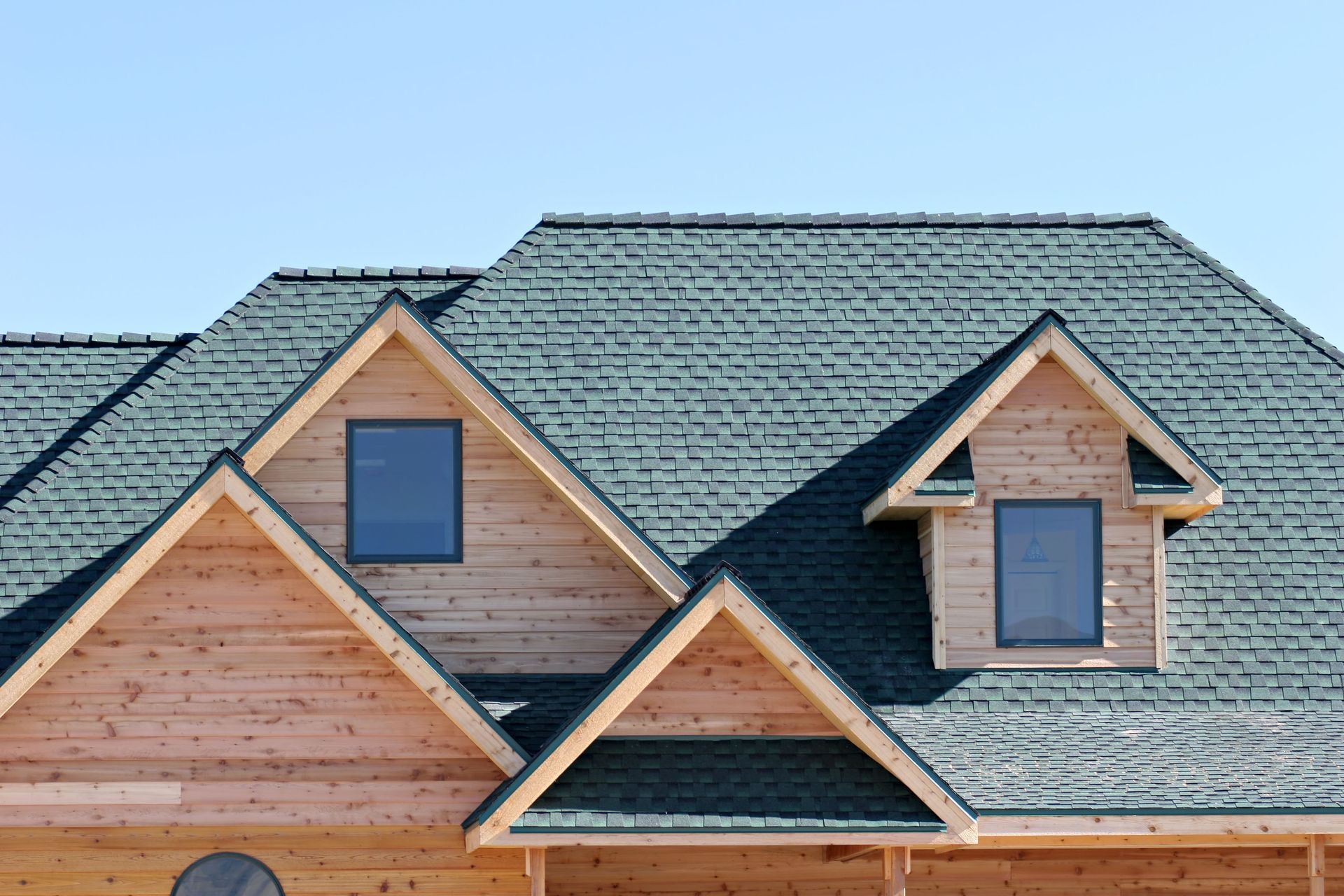
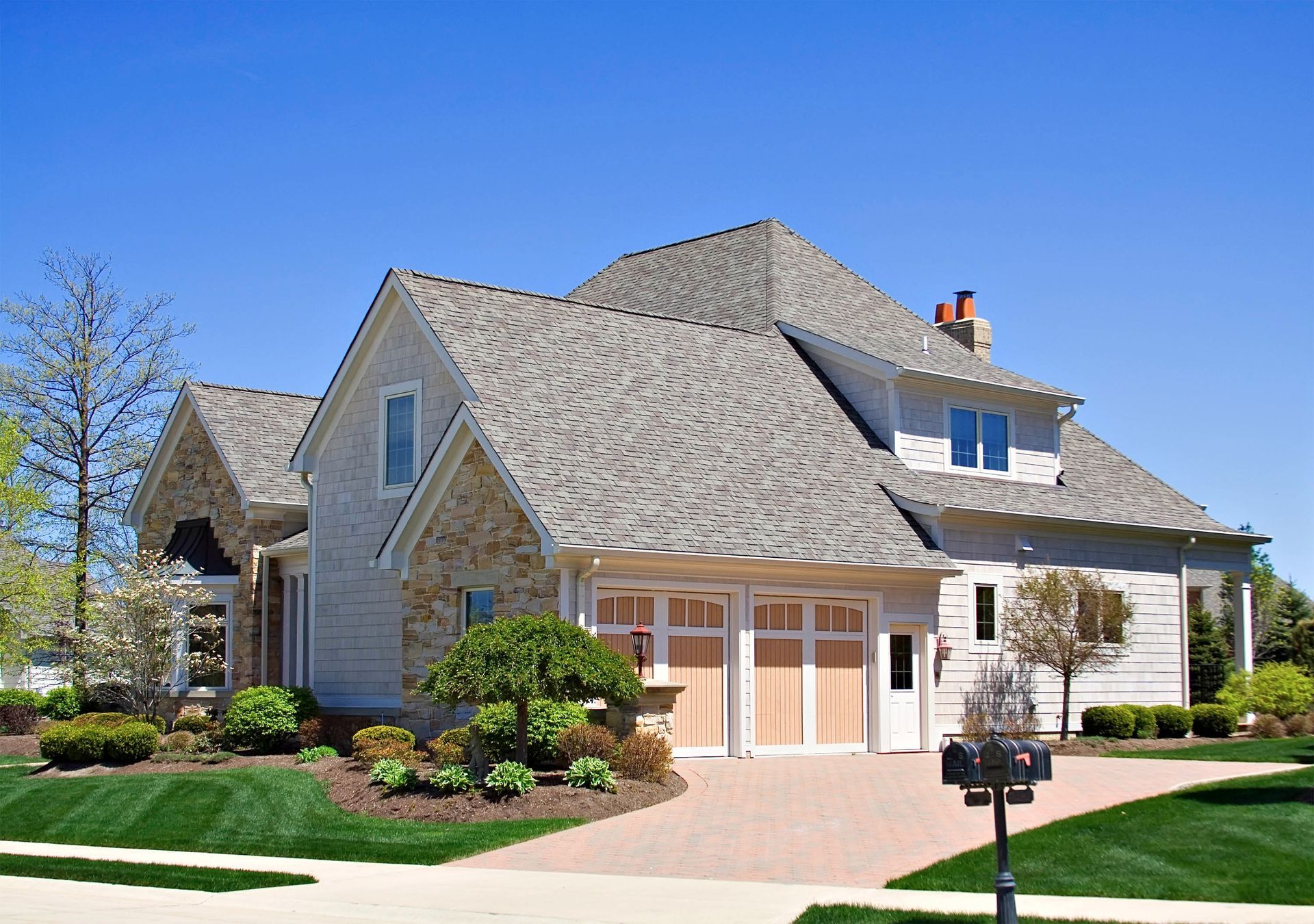
Asphalt shingles remain one of the most widely used residential roofing materials because they provide a practical balance of affordability, appearance, and performance. They are available in numerous colors and styles, making them compatible with many architectural designs. For homeowners seeking a conventional roofing solution without a particularly high initial investment, asphalt shingles are often an appealing choice.
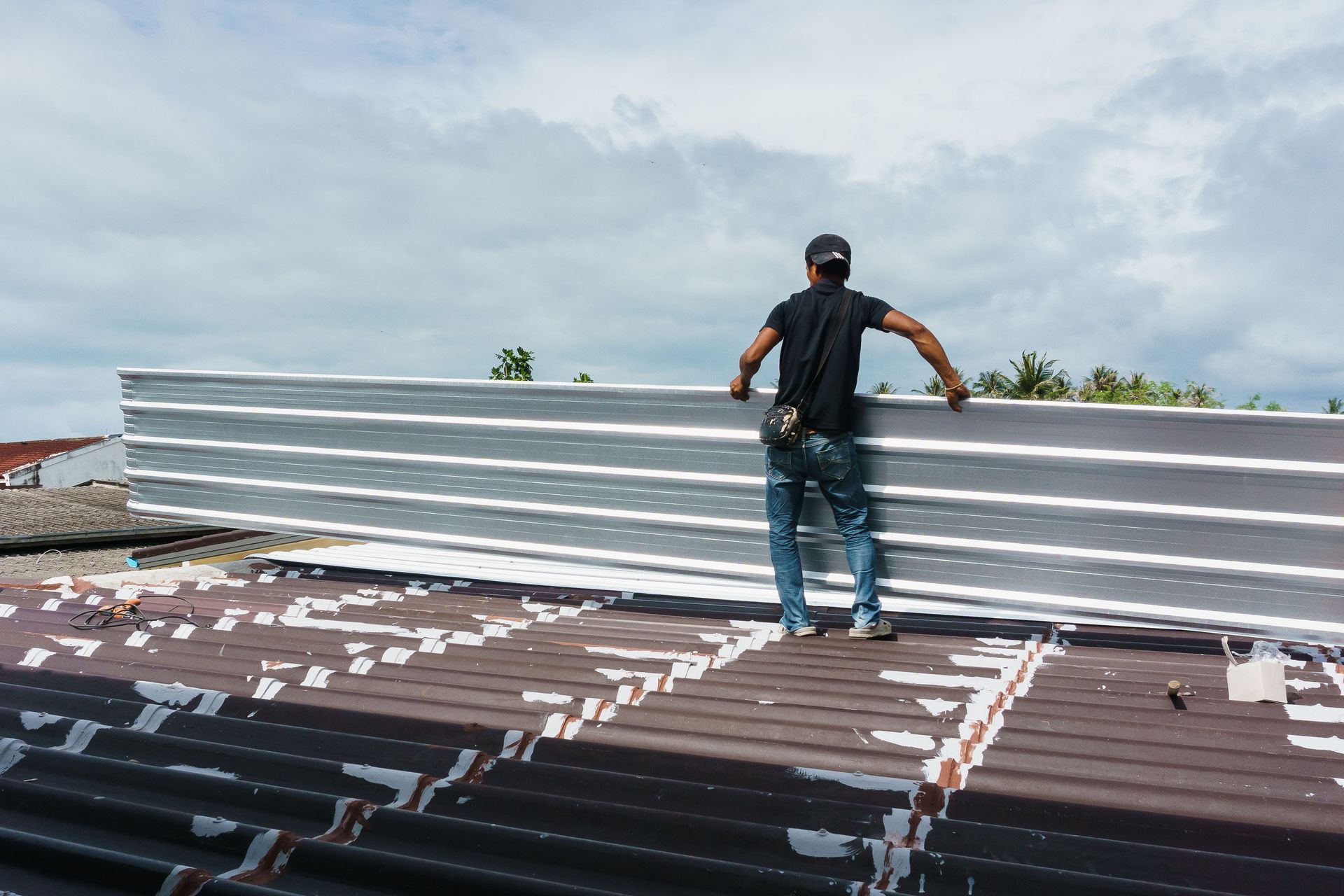
Metal roofing is another increasingly common option. Modern metal roofs can be manufactured from steel, aluminum, copper, and other materials, with finishes designed to complement residential architecture. Metal can offer excellent durability while requiring relatively little routine maintenance.
Tile roofing, including clay and concrete tile, is also valued for its longevity and distinctive appearance. Tile can be particularly appropriate for homes where the architectural style and climate make its weight and installation requirements practical.
More specialized materials are also available. Solar roofing products incorporate energy-generating technology into the roof itself, while green roofs use vegetation and specialized growing systems. These options are less universal but may appeal to homeowners with particular environmental, energy, or design goals.
Ultimately, roofers generally consider more than the material's sticker price. Installation requirements, expected service life, maintenance, structural considerations, and local weather conditions all contribute to the long-term value of a roofing system.
Why Do Roofers Recommend Asphalt Shingles?
Asphalt shingles are popular partly because they are relatively straightforward to install and widely available. Their familiarity also means that homeowners can generally find contractors experienced in installing, repairing, and replacing them. This broad availability can simplify future maintenance.
Cost is another major advantage. Asphalt shingles generally have a lower initial cost than many premium roofing materials, although the actual price varies according to shingle quality, roof complexity, labor, and geographic location. Homeowners can choose from basic three-tab products to architectural and premium shingles offering enhanced appearance and performance.
Design flexibility is another reason roofers frequently recommend asphalt shingles. Manufacturers produce shingles in many colors, textures, and profiles. Architectural shingles can provide a dimensional appearance that resembles more expensive roofing materials while maintaining many of the practical advantages associated with asphalt.
Durability also varies considerably between products. According to This Old House, asphalt shingles typically last between 20 and 30 years. Proper installation, ventilation, maintenance, and exposure to severe weather can affect the actual service life of an individual roof.
For many homeowners, asphalt shingles therefore represent a reasonable middle ground. They may not offer the extreme longevity of some metal or tile systems, but their relatively accessible cost and widespread availability make them a practical choice for many residential applications.
How Do Metal Roofs Compare for Long-Term Performance?
Metal roofing stands out primarily for its combination of durability and longevity. Depending on the material, coating, installation quality, and environmental exposure, a metal roof can provide decades of service. This makes it particularly attractive to homeowners who want to minimize the frequency of major roof replacements.
Metal roofs can also perform well in demanding weather conditions. Properly installed systems can resist wind, shed precipitation effectively, and provide strong protection against many common environmental hazards. Their relatively low maintenance requirements can further contribute to long-term convenience.
Energy performance is another potential advantage. Some metal roofing systems can reflect a significant amount of solar radiation, reducing heat absorption under appropriate conditions. The actual energy savings depend on the roof's finish, insulation, ventilation, climate, and other characteristics of the building.
Sustainability can also be a consideration. Many metal roofing products contain recycled material, and metal itself can be recycled at the end of its useful life. Roofers may therefore suggest metal to homeowners interested in reducing the environmental impact associated with repeated roof replacement.
However, metal roofing usually requires a larger initial investment than standard asphalt shingles. Installation details also matter considerably, particularly around penetrations, seams, flashing, and fasteners. Homeowners should evaluate the entire system rather than comparing material prices alone.
Is Tile Roofing Worth the Investment According to Roofers?
Tile roofing can be an attractive long-term investment for homeowners who prioritize durability and architectural character. Clay and concrete tiles are available in a variety of profiles and colors, allowing them to complement Mediterranean, Spanish, Southwestern, contemporary, and other architectural styles.
One of tile's most significant advantages is its potential longevity. Properly installed tile can remain functional for many decades, although individual tiles can sometimes crack or become damaged and require replacement. The underlayment and other components beneath the tiles may require attention during the roof's life as well.
Climate is an important consideration. Tile can perform particularly well in regions where its resistance to sunlight, heat, and certain weather conditions provides an advantage. However, not every home is structurally suited to tile. Because tile can be substantially heavier than asphalt shingles, the roof structure must be capable of supporting the additional weight.
Installation can also be more specialized and expensive. Homeowners should therefore discuss structural requirements, local weather, maintenance, and installation costs with experienced roofers before choosing tile.
What Should Homeowners Know About Eco-Friendly Roofing Options?
Homeowners interested in sustainability have more choices than simply selecting a conventional roofing material with a long service life. Solar roofing products, including solar tiles, integrate photovoltaic technology into the roof and can generate electricity while maintaining a more traditional appearance than some conventional solar panel installations.
The primary consideration with solar roofing is that the roof must be evaluated as both a roofing system and an energy-generating system. Roof orientation, shading, local climate, electricity use, and installation costs can all affect whether the technology makes sense for a particular property. Roofers working with solar systems may need to coordinate closely with electrical professionals.
Green roofs take a different approach. These systems incorporate vegetation and specialized layers designed to support plants above the building. Depending on their design, green roofs can help manage stormwater, provide insulation, and create additional habitat in appropriate settings.
However, green roofs require careful planning. The structure must be capable of supporting the additional weight, including saturated growing media. Drainage, waterproofing, irrigation, plant selection, and ongoing maintenance must also be considered.
Selecting a roofing material involves balancing appearance, cost, durability, maintenance, and performance rather than simply choosing the least expensive option. Asphalt shingles offer affordability, accessibility, and extensive design choices. Metal roofing can provide long-term durability and relatively low maintenance. Tile offers distinctive aesthetics and potentially exceptional longevity when the home and climate are appropriate. Solar and green roofing systems provide additional possibilities for homeowners with specific environmental or energy goals.
The right choice ultimately depends on the individual property. Experienced
roofers can evaluate the roof's structure, slope, ventilation, local weather exposure, and other conditions while explaining the practical differences among available materials. By considering both immediate costs and long-term performance, homeowners can make a more informed decision and select a roofing system that fits their home for years to come. If you need a roof, reach out to Mac Roofing Co Inc today!
Share On: