
Things to Consider When Choosing the Right Roofing Material
This article will explore various aspects one must consider when selecting the appropriate roofing material for their building project. From climate considerations to budget constraints, this guide will provide insights into making an informed decision. Whether you're building a new home or replacing an old roof, understanding the nuances of roofing materials is crucial. Each type of roofing material offers its own benefits and can significantly affect the longevity and efficiency of your roof. Hence, to ensure durability and aesthetic appeal, selecting the right material involves careful deliberation, often with guidance from local roofing contractors.
Evaluating the Durability of the Materials
Assessing Weather Resilience
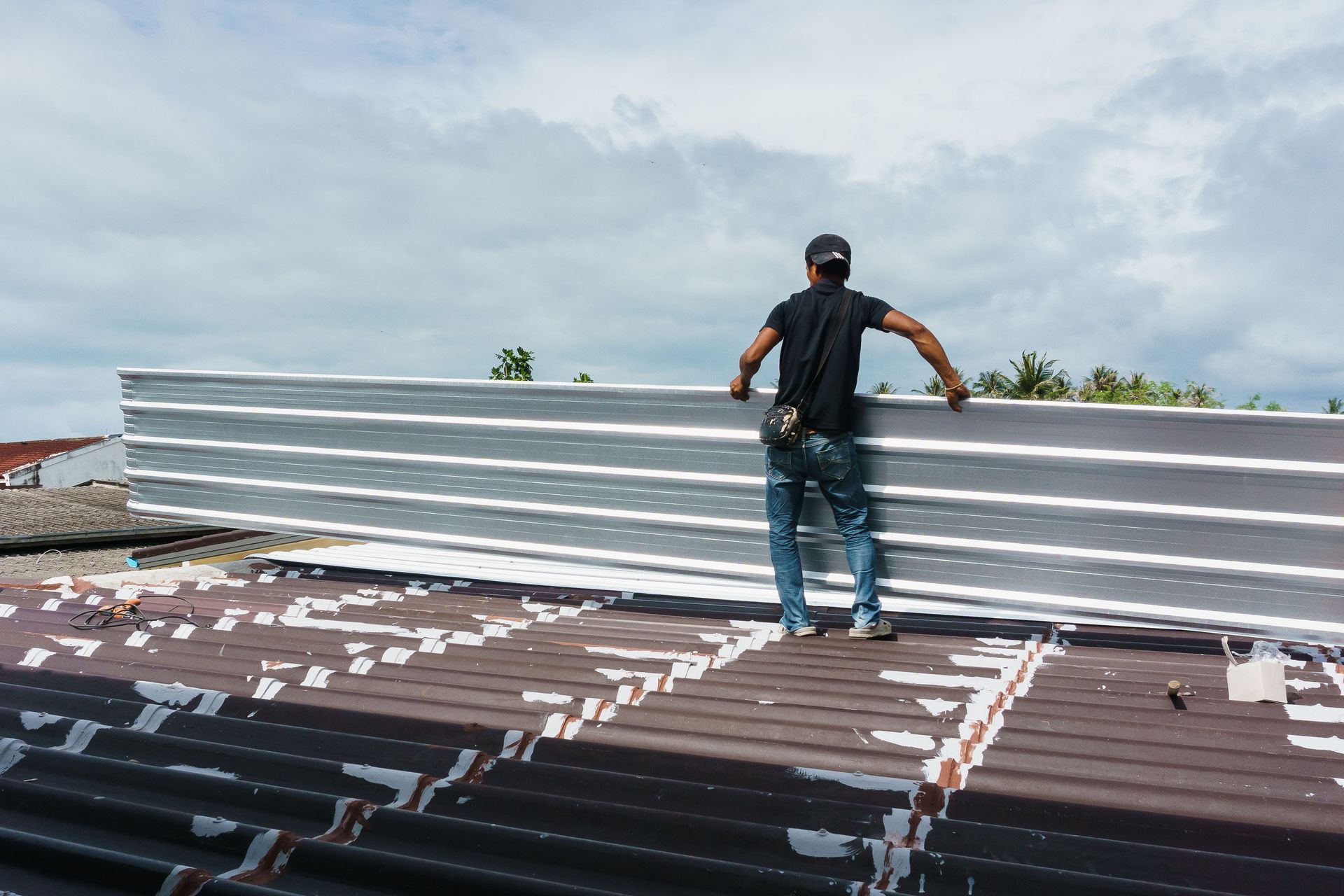
The durability of a roofing material greatly depends on its weather resilience. Weather resilience refers to how well a material can withstand the climatic elements it is frequently exposed to. For instance, tiles are known for their ability to endure heavy rainfall and strong winds, making them a preferred choice in areas prone to harsh weather. On the other hand, metal roofing offers superior resistance against hail and high temperatures. Opting for weather-resilient materials can ensure that your roof remains intact and provides protection throughout the seasons, especially when recommended by experienced local roofing contractors.
Understanding Lifespan Expectations
When selecting a roofing material, it's crucial to consider how long you expect the roof to last. Different materials have varied lifespans; in our experience, asphalt shingles typically last 15 to 30 years, while slate can endure for over a century. Lifespan expectations can significantly influence the overall cost-effectiveness of your roof, given the cost to replace or repair. If you plan to live in your home for many years, investing in a longer-lasting material might be wise. Consequently, understanding the expected lifespan can help you plan and budget future home improvement projects.
Evaluating Resistance to Wear and Tear
Roofs are notoriously exposed to environmental stress, meaning wear and tear over time are inevitable. Materials like metal and slate are renowned for their abrasion resistance, reducing the need for frequent repairs or replacements. According to The Spruce, for most homes, roof pitches usually range from four to twelve (moderate) to eight to twelve (steep), which can affect how rainwater and debris impact the roof. A material's resistance to wear also plays a crucial role in its ability to maintain its appearance and performance. Selecting materials that resist wear and tear will not only preserve structural integrity but also maintain aesthetic appeal.
Analyzing Cost Implications
Considering Initial Investment
The initial cost of a roofing material is often a decisive factor for many homeowners and builders. Roofing materials vary in cost, from budget-friendly options like asphalt shingles to premium selections such as slate or metal. While cost should not be the sole determinant, aligning your choice with your financial capabilities is essential. Resisting the temptation to choose solely based on price, factoring in longevity and performance can offer a more balanced perspective. Therefore, understanding the initial investment required will guide you in making informed financial choices, often with insight from local roofing contractors.
Evaluating Long-Term Value
Beyond the upfront expense, evaluating the long-term value a roofing material provides is crucial. This encompasses the material's durability, maintenance demands, and its energy efficiency contributions. In some instances, investing in a more expensive roofing material can result in cost savings down the line through reduced maintenance and enhanced energy efficiency. Therefore, homeowners and developers should look beyond immediate costs to consider long-term financial implications. Rural and suburban regions have their distinct roofing norms, which can further influence value perceptions over time.
Calculating Installation Costs
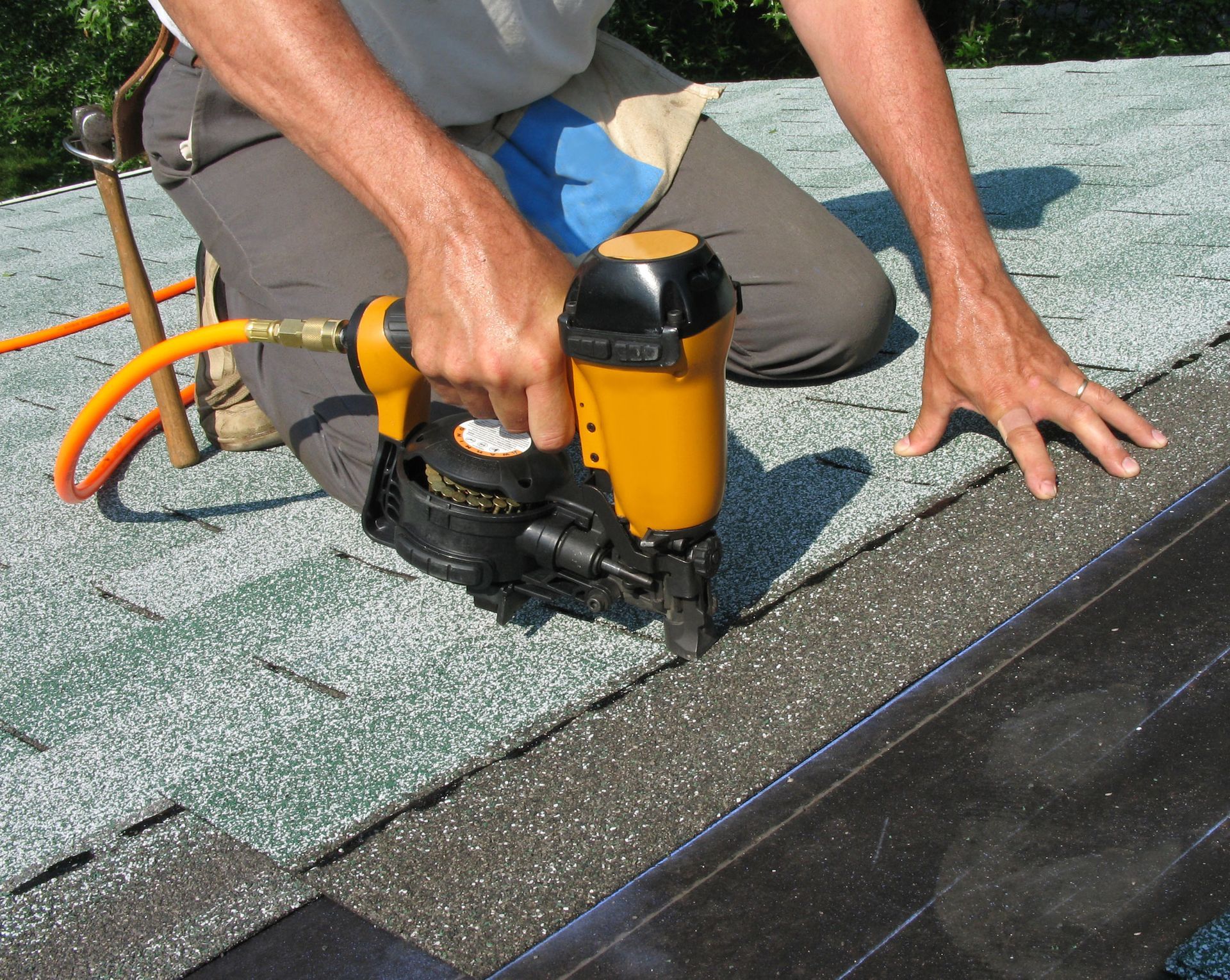
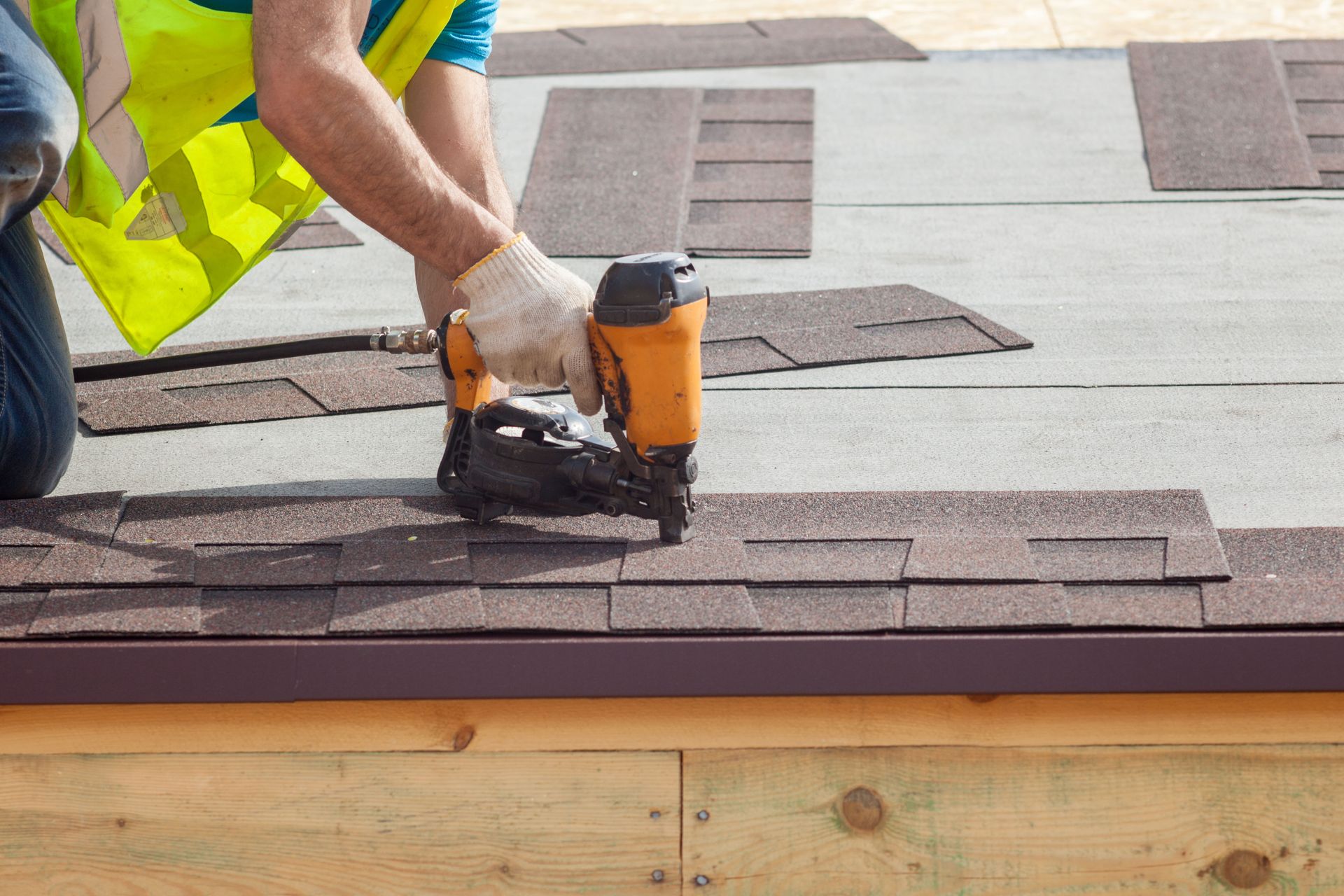
Installation costs can significantly influence the overall budget allocated to roofing projects. Different materials necessitate varying installation techniques, which, in turn, dictate the associated labor costs. Slate and tile installations tend to be more labor-intensive, thus requiring a higher budget for professional installation. Understanding these costs beforehand can prevent any unforeseen financial strain during the roofing project. Opting for experienced local roofing contractors often translates to quality workmanship, further enhancing the roofing's longevity and appearance.
Enhancing Aesthetic Appeal
Ensuring Architectural Style Compatibility
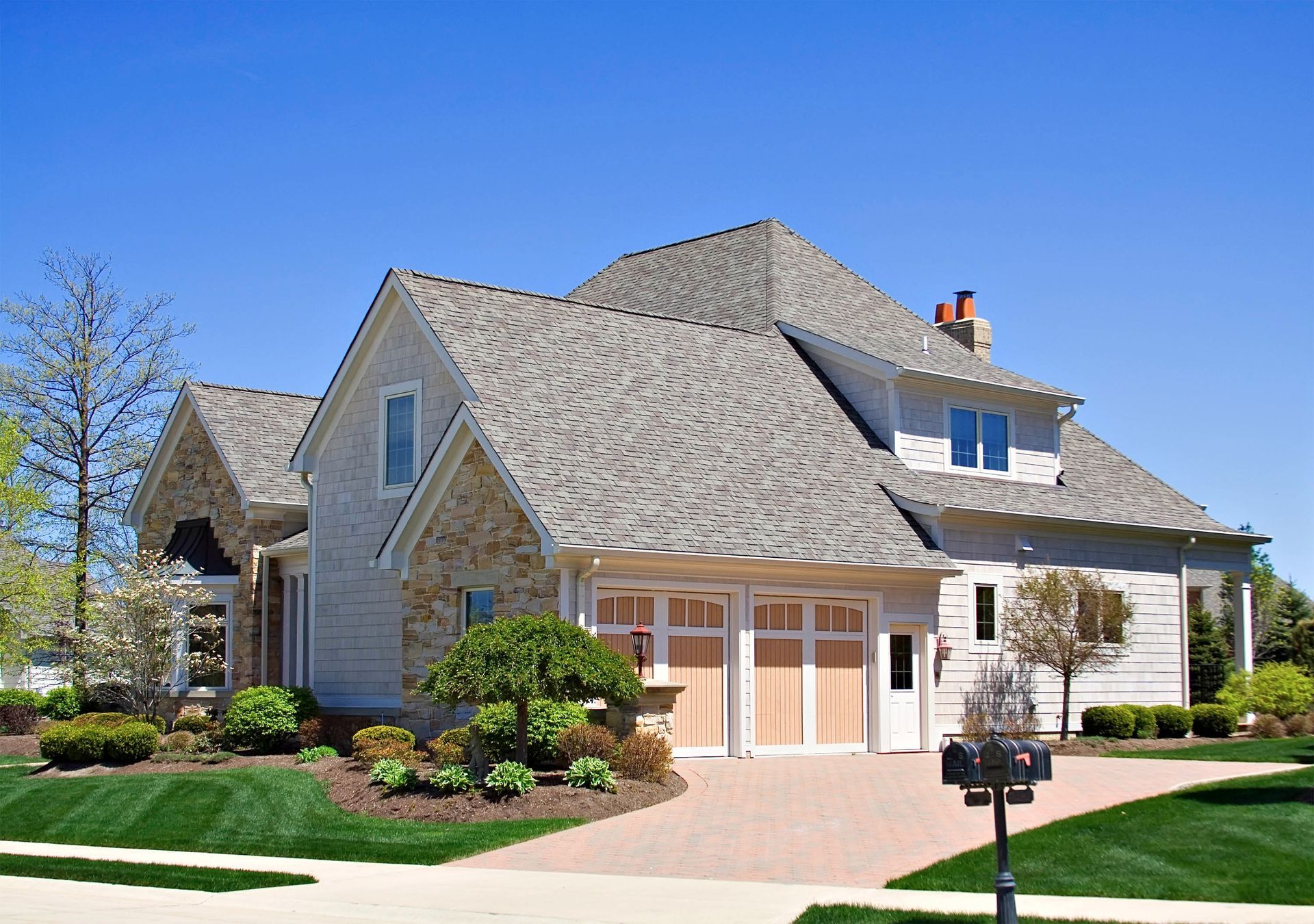
The roof is a prominent feature of any building, making its aesthetic coherence with the house's architectural style vital. Traditional homes may benefit from materials like slate or clay tiles, which harmonize with classic aesthetics. Modern architectural styles often pair well with metal roofing due to its sleek and minimalistic look. Ensuring the roofing complements your home’s design can enhance curb appeal and potentially increase property value. Therefore, aligning roofing material with architectural style ensures visual coherence and aesthetic satisfaction.
Selecting Color and Texture Options
Roofing materials are available in an array of colors and textures, providing ample choices to match personal tastes and home color schemes. Metal roofs, for instance, offer a vibrant palette and smooth texture that can deliver a contemporary feel. Traditional homes might favor the warm, earthy tones offered by clay tiles for a timeless look. Carefully selecting colors and textures can reinforce the desired aesthetic while also maintaining neighborhood uniformity. Consequently, homeowners can express personal style while ensuring alignment with community standards.
Incorporating Visual Enhancements
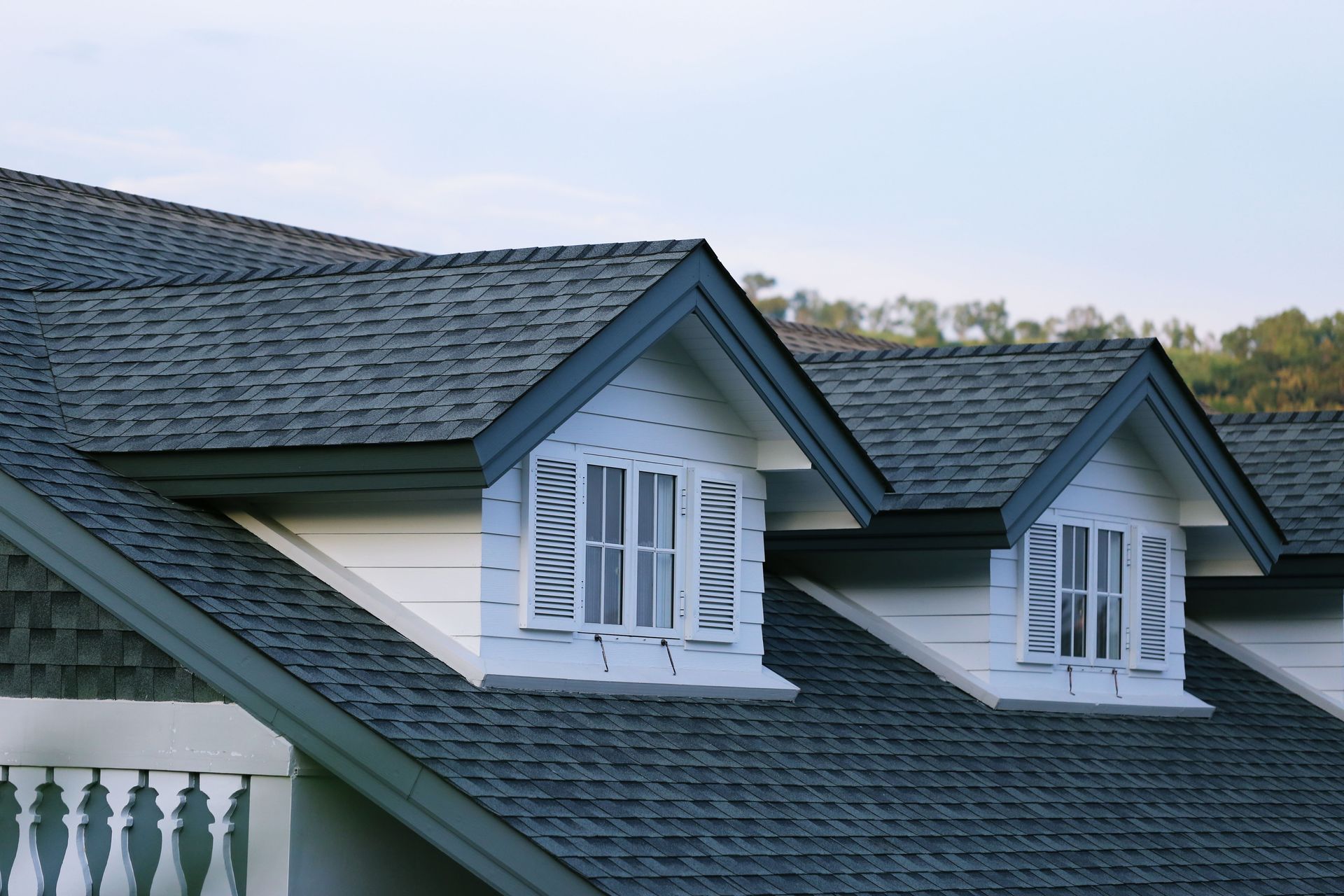
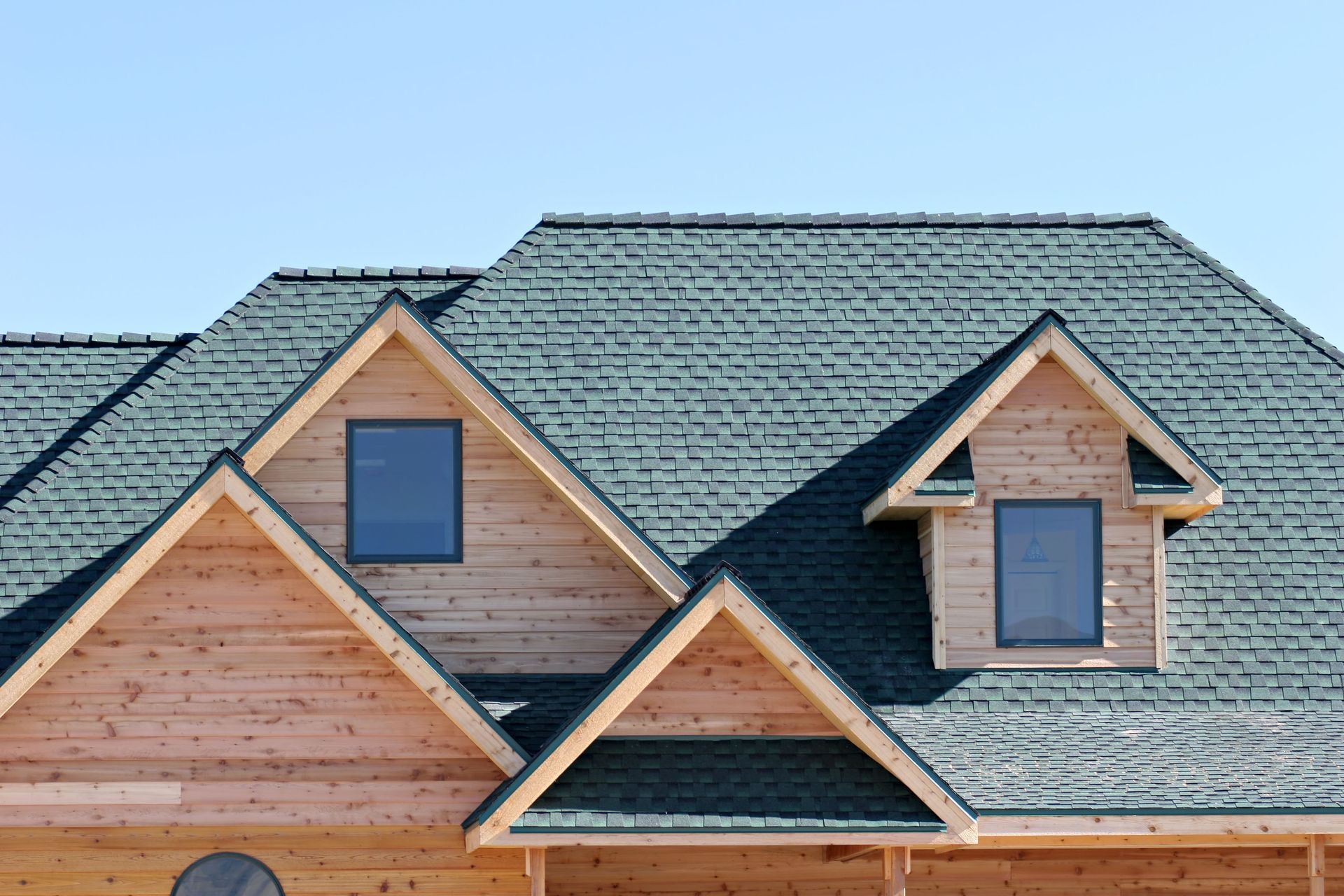
Aesthetic appeal often extends beyond basic material choices, involving considerations like accent features and detailing. Elements such as skylights, chimneys, and dormers can add depth and intrigue to an otherwise simple roof design. These enhancements can break monotony and visibly distinguish your home from others in the community. Incorporating visual enhancements while adhering to architectural integrity can boost the overall allure of a property. Therefore, designing a roof that harmonizes with existing architectural fixtures can contribute to a polished and cohesive appearance.
Managing Installation and Professional Guidance
Selecting the Right Contractor
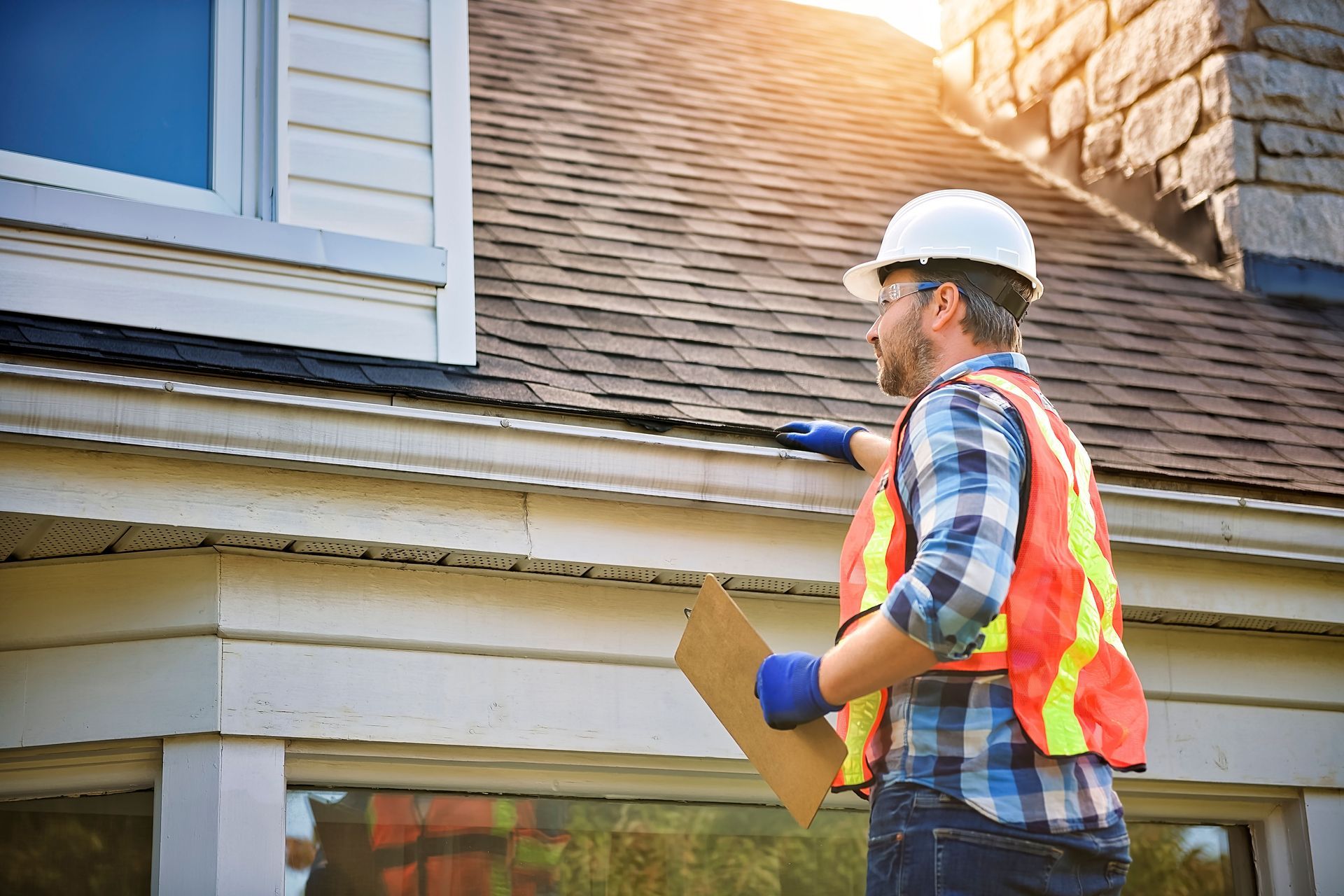
The success and longevity of a roofing project largely depend on the proficiency of the contractor chosen. Ensuring your contractor possesses the necessary experience, licenses, and insurance guarantees quality work and adherence to safety standards. Positive reviews and references from past clients provide insights into the contractor's reliability and competence. Consider arranging interviews to discuss project specifics and assess the contractor's familiarity with the selected material. Choosing the right professional ensures both the successful installation and maximized lifespan of your roofing material.
Understanding Installation Processes
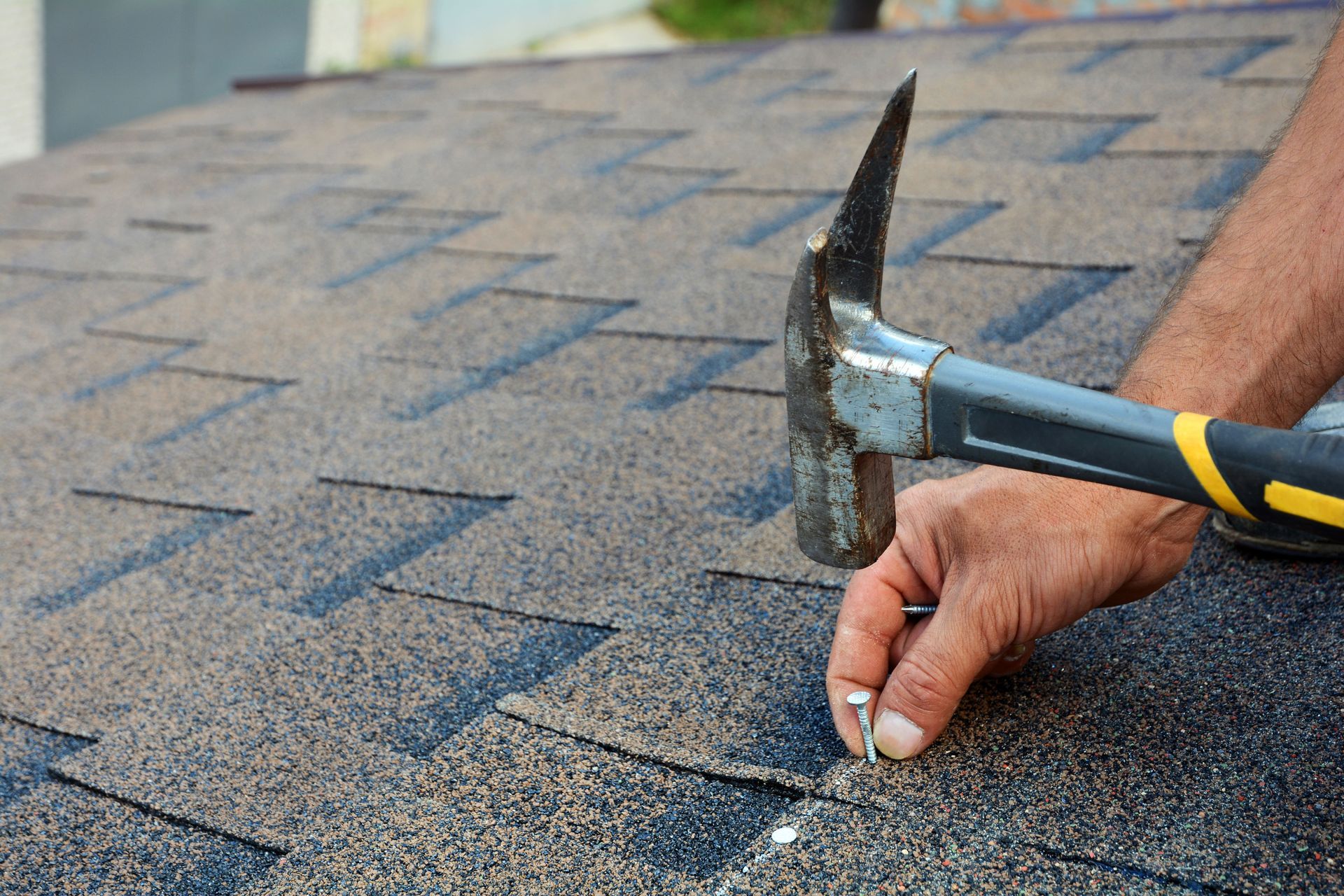
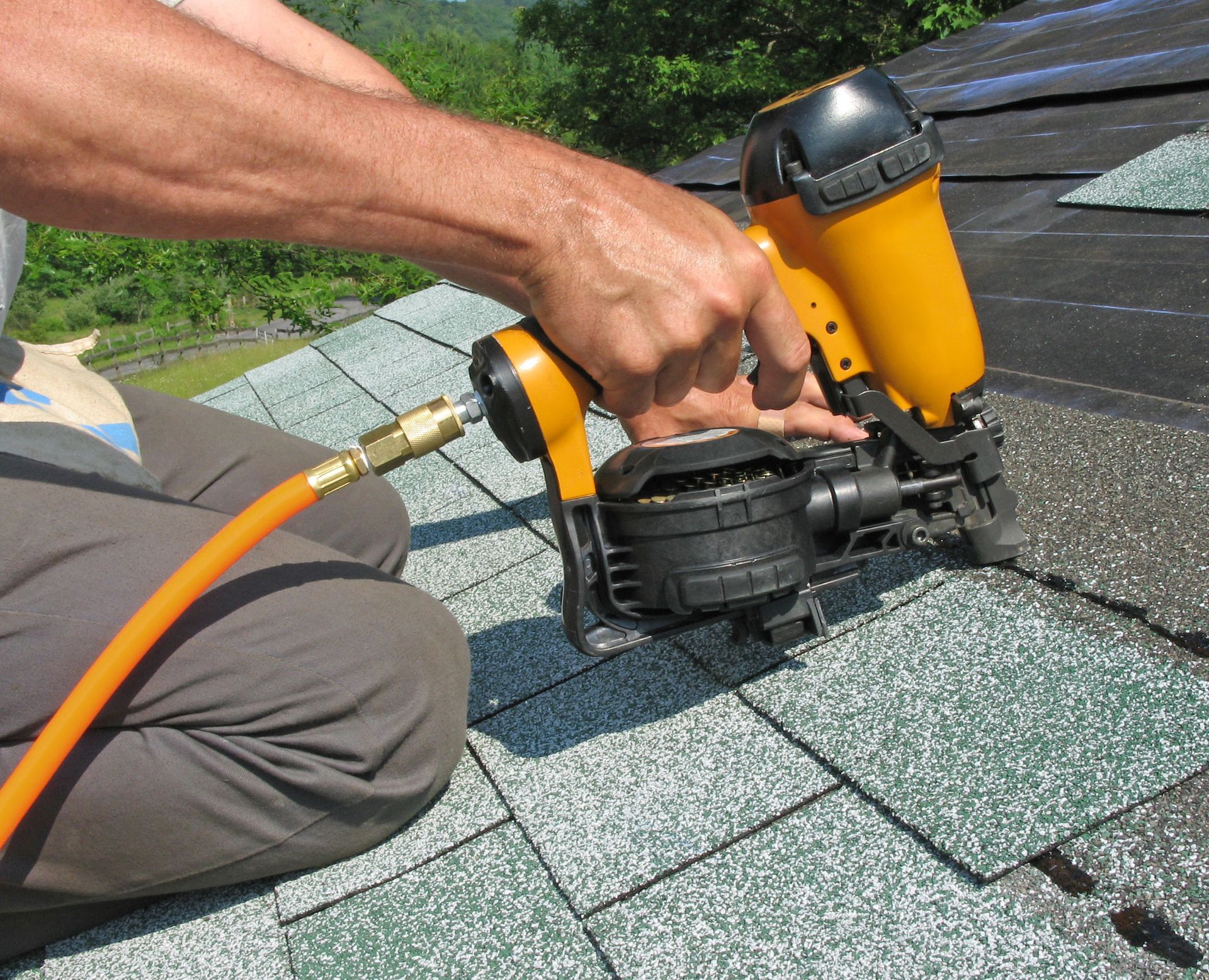
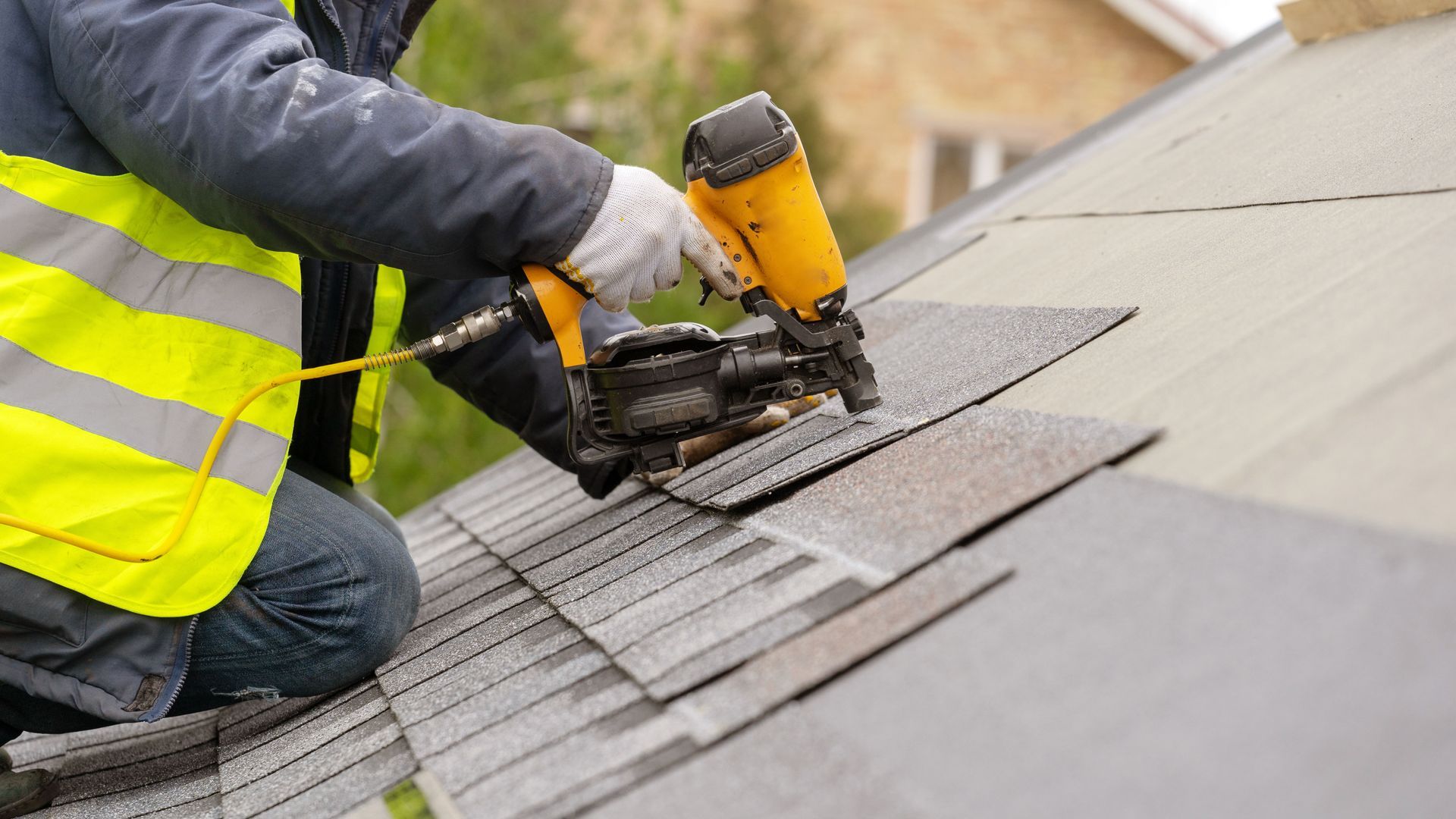
Understanding the specifics of the installation process can guide homeowners in making informed decisions regarding materials and contractors. Installation complexity varies by material; for instance, slate and tile require more labor-intensive processes compared to asphalt shingles. Familiarizing yourself with the procedure helps anticipate project timelines and logistical requirements. Homeowners can ensure clarity with their contractors by discussing potential challenges and solutions ahead of time. Thus, gaining insight into installation procedures enables smooth project execution and anticipated outcomes.
Choosing the right roofing material involves a comprehensive evaluation of various factors such as durability, cost, climate adaptability, aesthetics, material options, and professional installation. Making an informed decision can lead to long-term satisfaction and protection for your home or project. By systematically analyzing each aspect of roofing material selection, homeowners can ensure compatibility with personal preferences, climatic conditions, and fiscal boundaries. Beyond practicality, selecting a material that aligns with aesthetic intentions imbues homes with character and improved value.
Ready to take the next step? Contact Mac Roofing Co Inc today to speak with experienced local roofing contractors who can guide you through every stage of your roofing project. From material selection to professional installation, their team is committed to delivering quality results you can trust. Schedule your consultation now and get started on a roof that’s built to last.
Share On: